

The ROOT Source
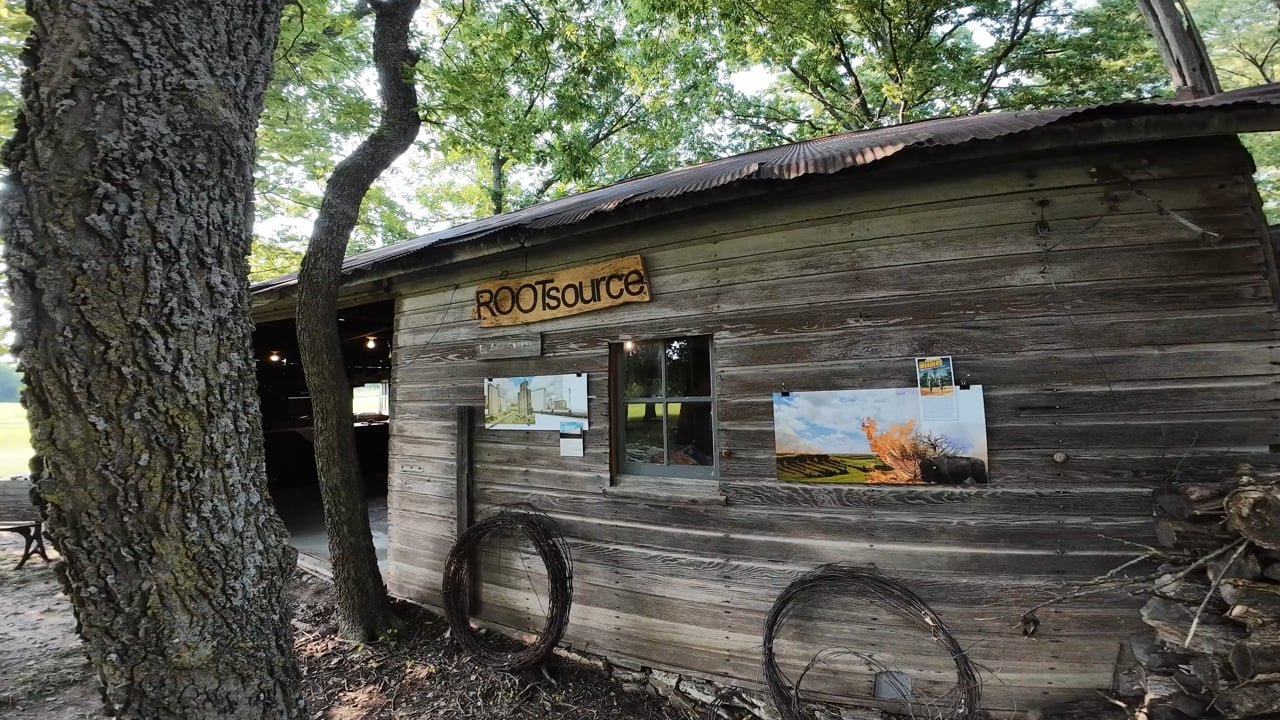
Created during Ursula Emery McClure’s Artist Residency at the Volland Foundation, Volland, KS
Exhibited at an Open House at Volland on Aug 8, 2026.
Design Team: emerymcclure architecture, Katie Loughmiller, Kristi Cheramie, Alice Guess, Kimberly Hull, Cayleigh Nicholson
Quilters: Katie Loughmiller (Team Lead), Liz Granberg-Jerome, Les Jerome, Kathlynn Neufeld, Deanna Schaaf, Amy Deters, Sue Gerth, Kathleen Myers Crawford, Lori Finney, Rhonda Denney, Leslie Campbell, Cheri Brielle, Kathy Menzie, Alice Trussell
Root Fabricators: Kristi Cheramie (Team Lead), Ursula Emery McClure, Sarah Young, Alice Guess, Kimberly Hull, Cayleigh Nicholson
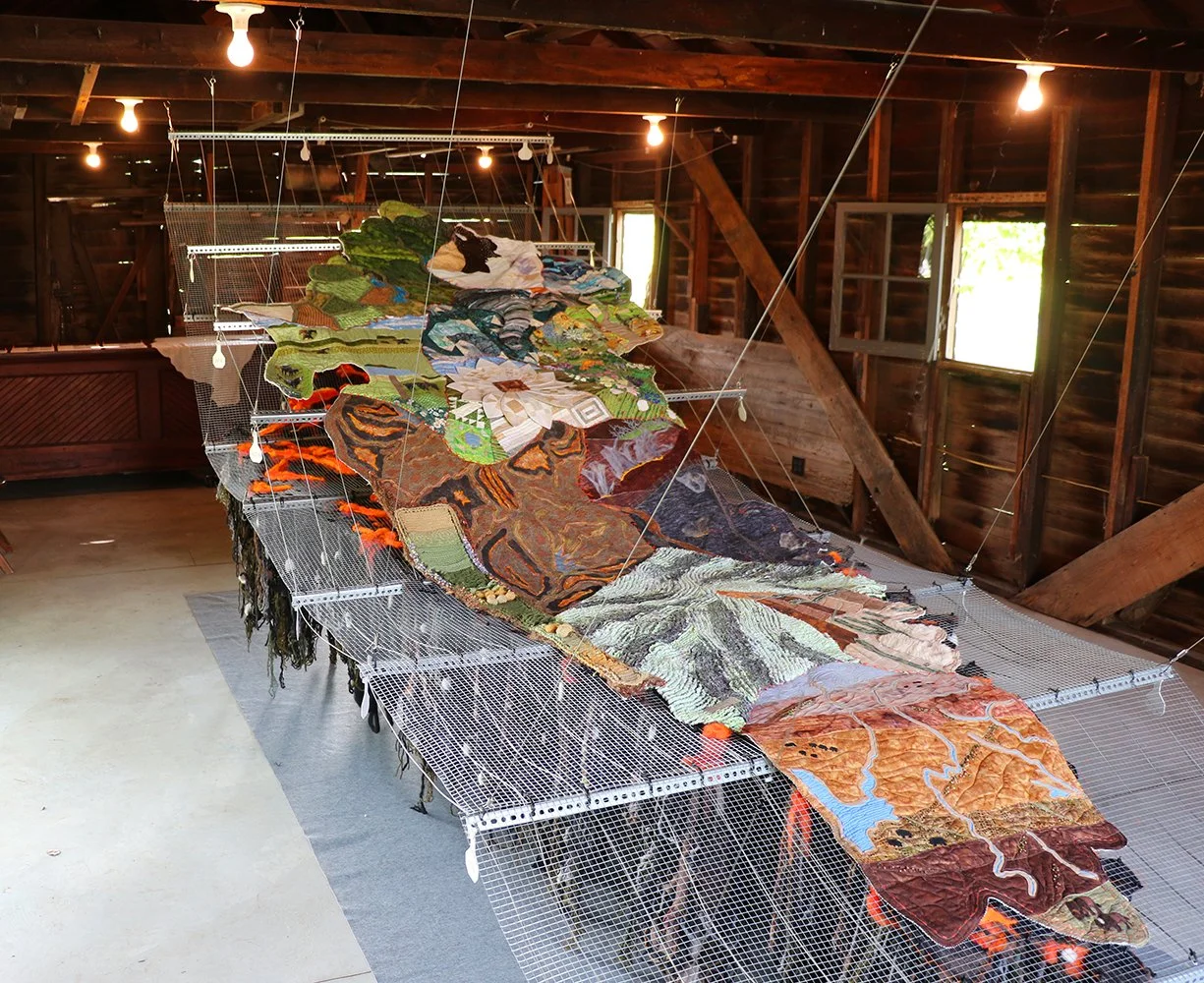
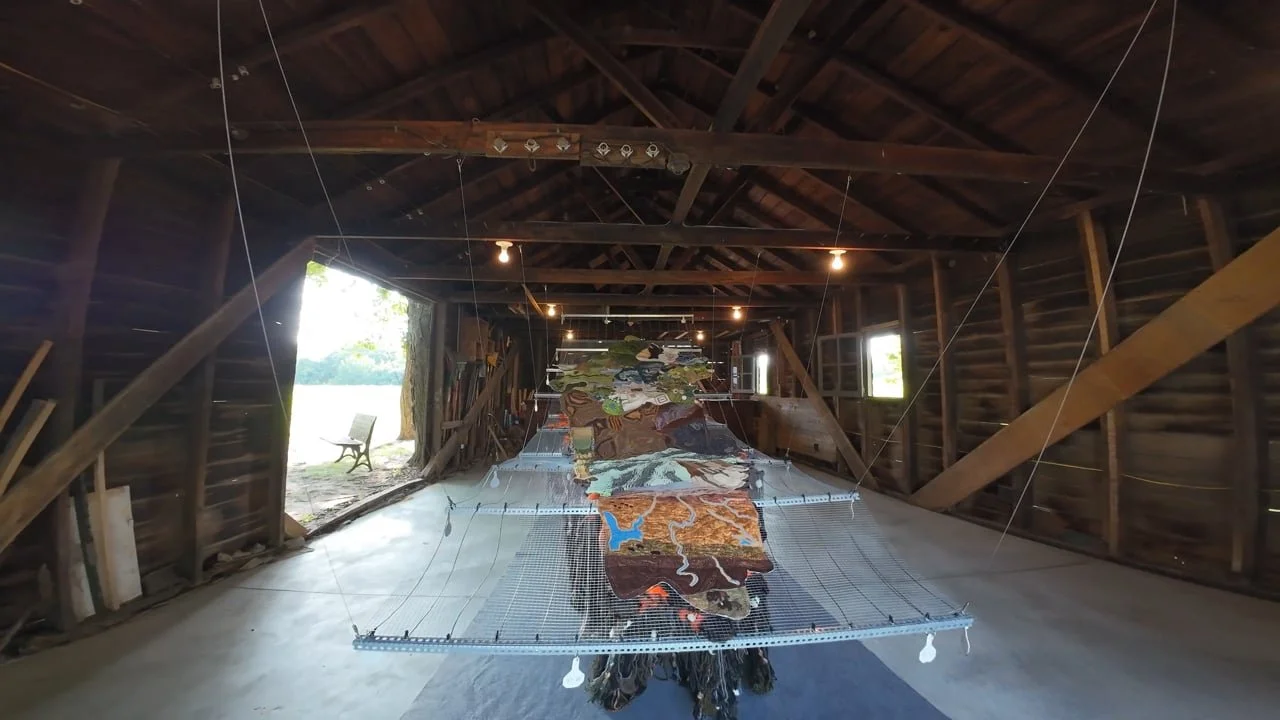
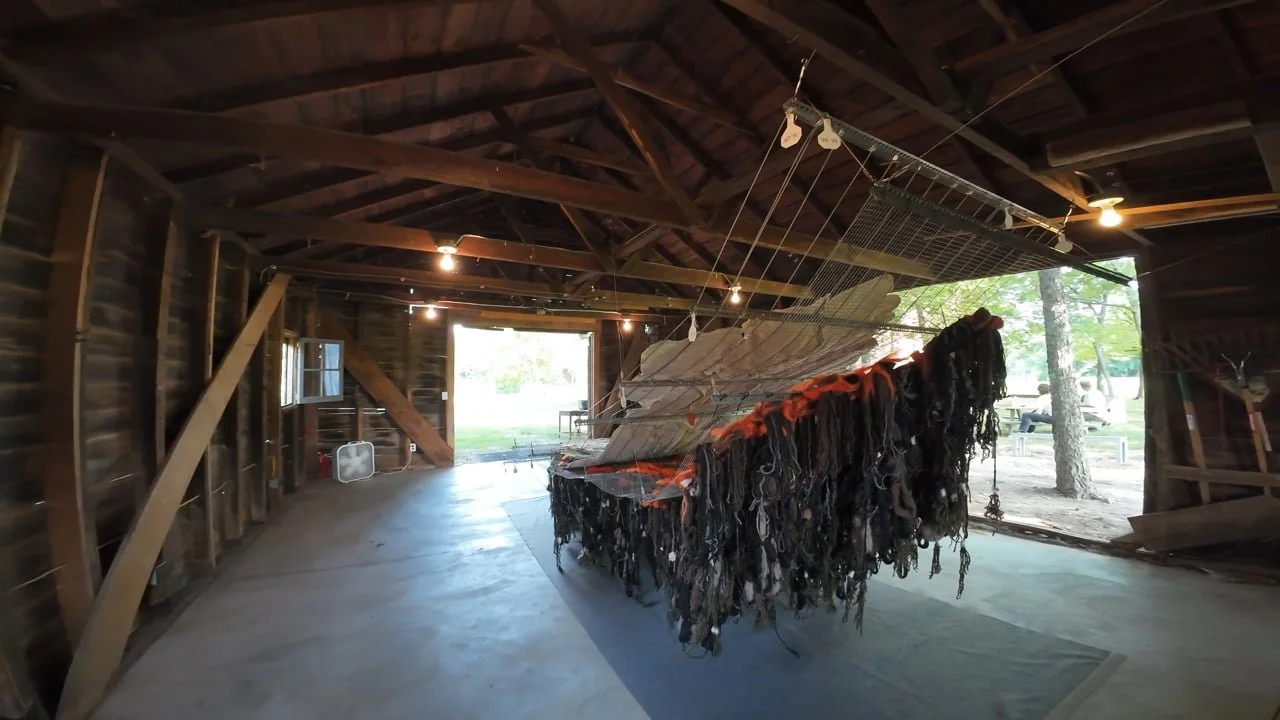
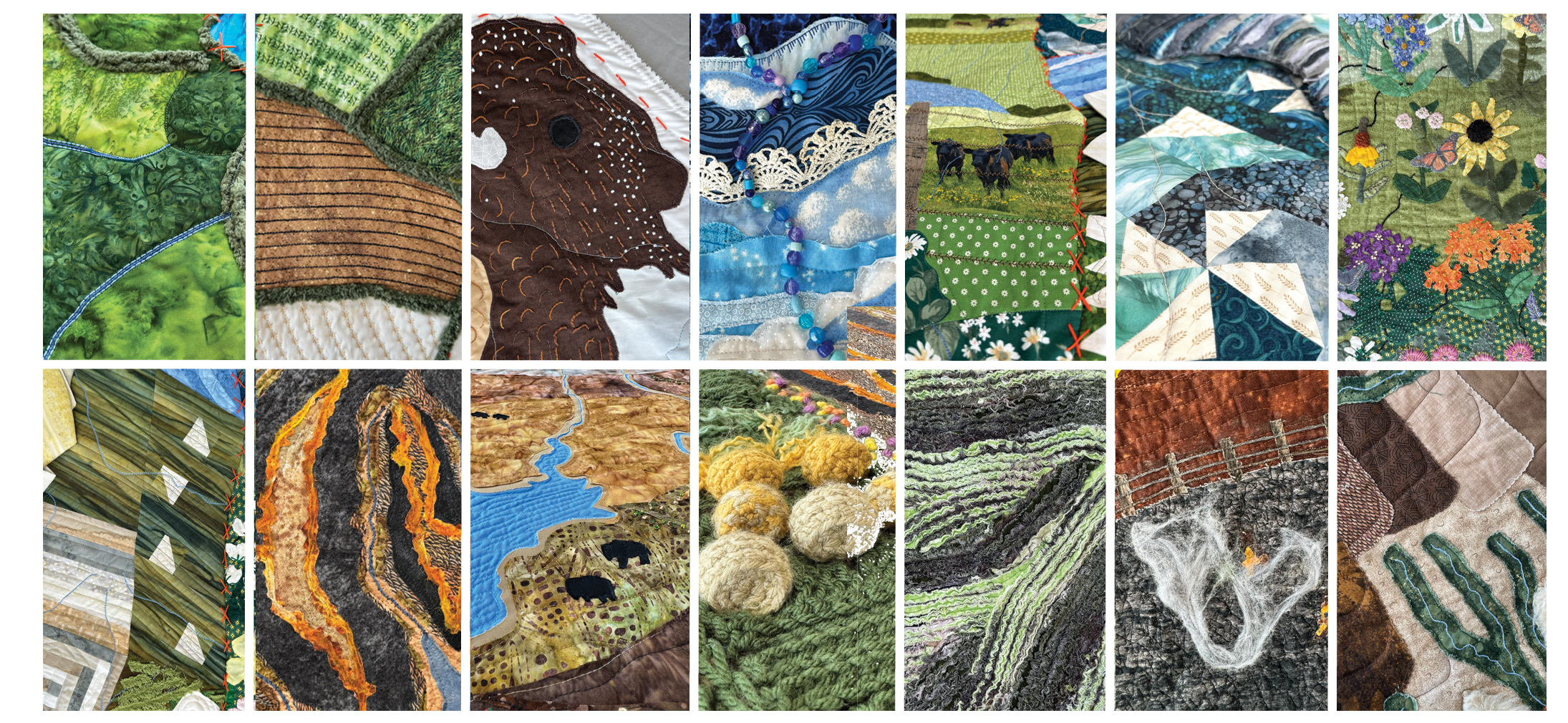
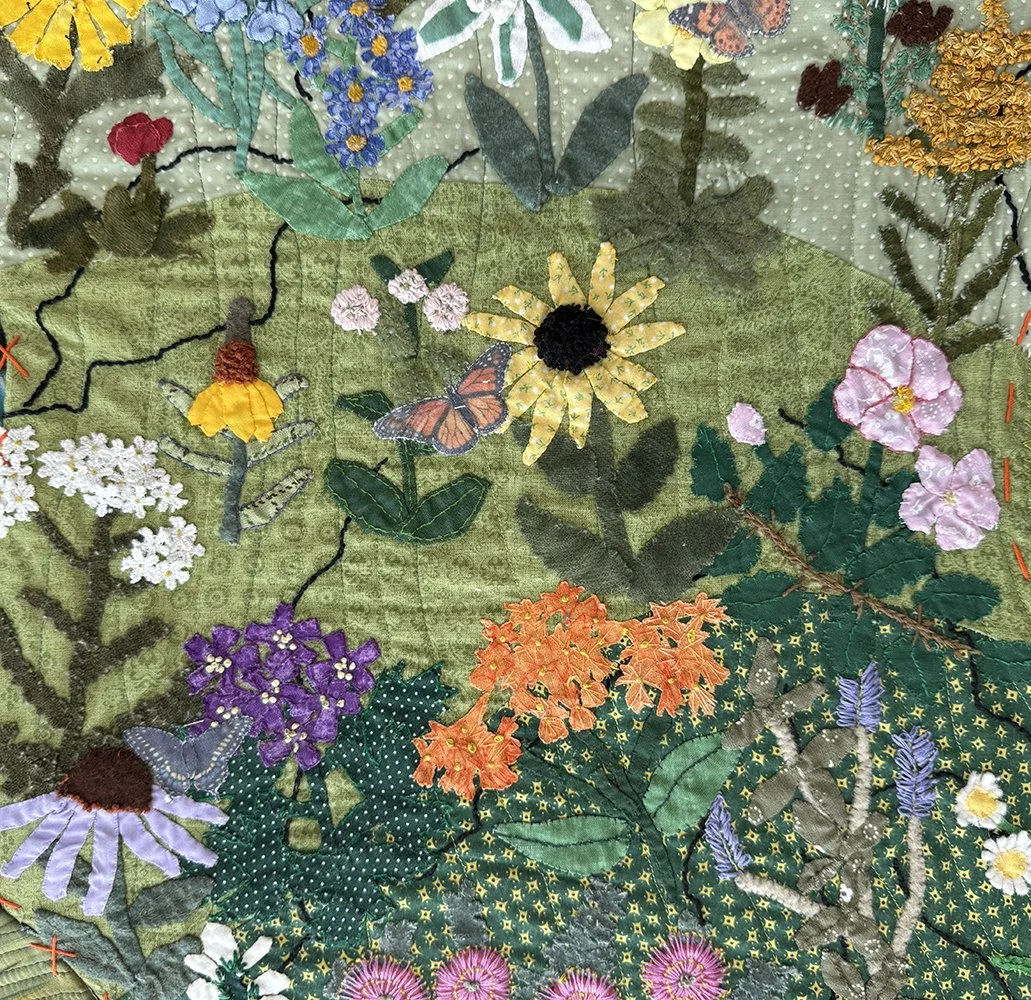
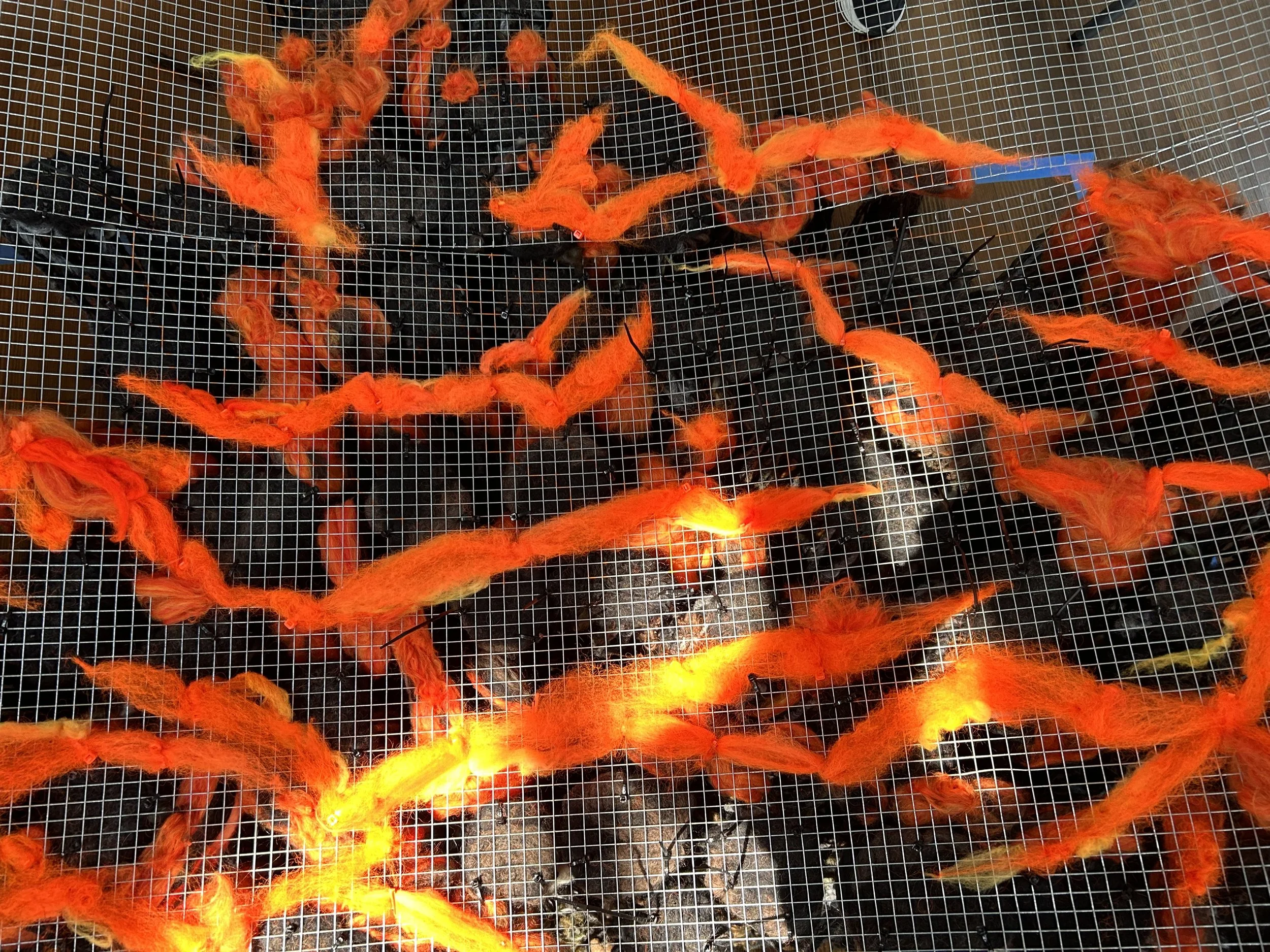
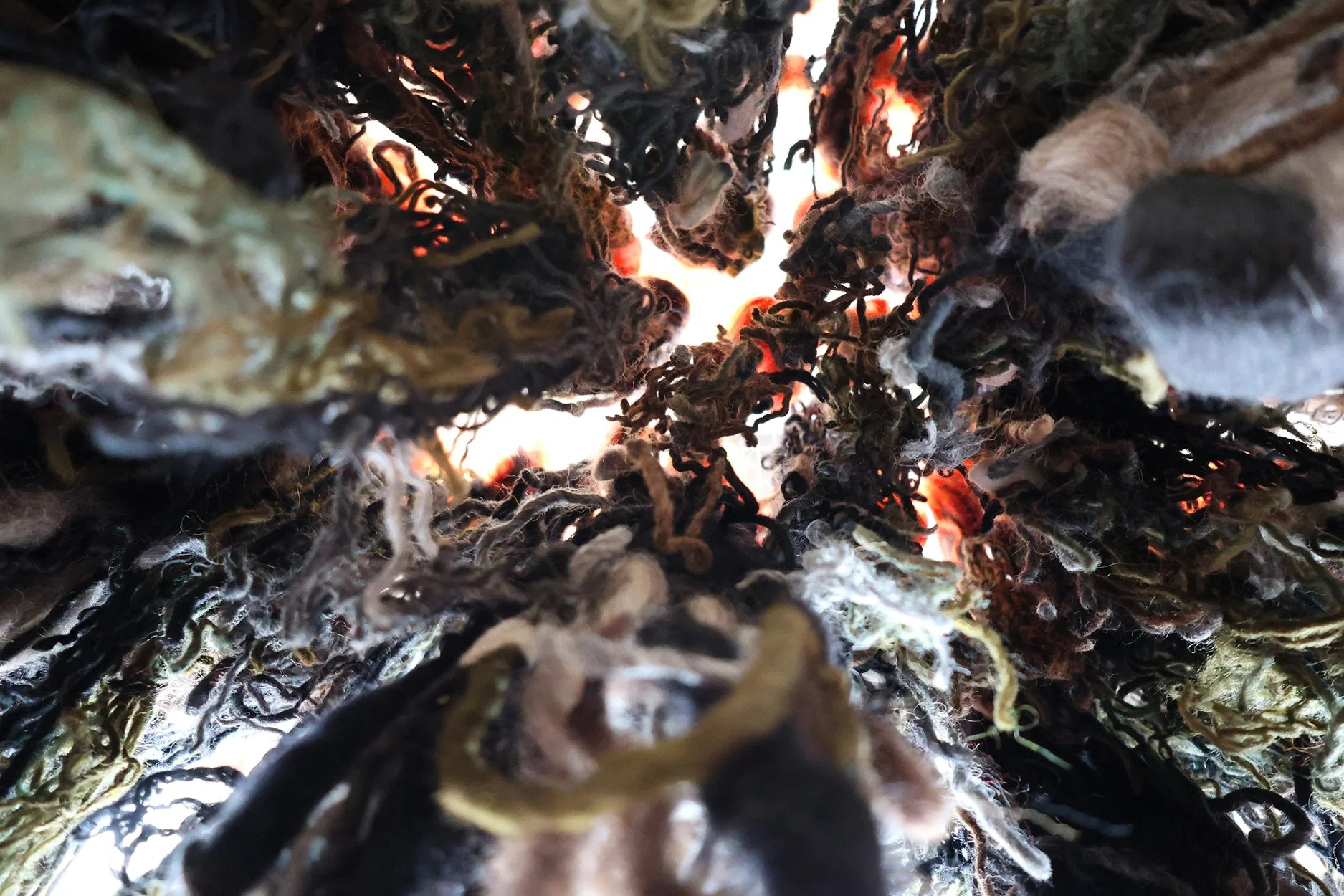
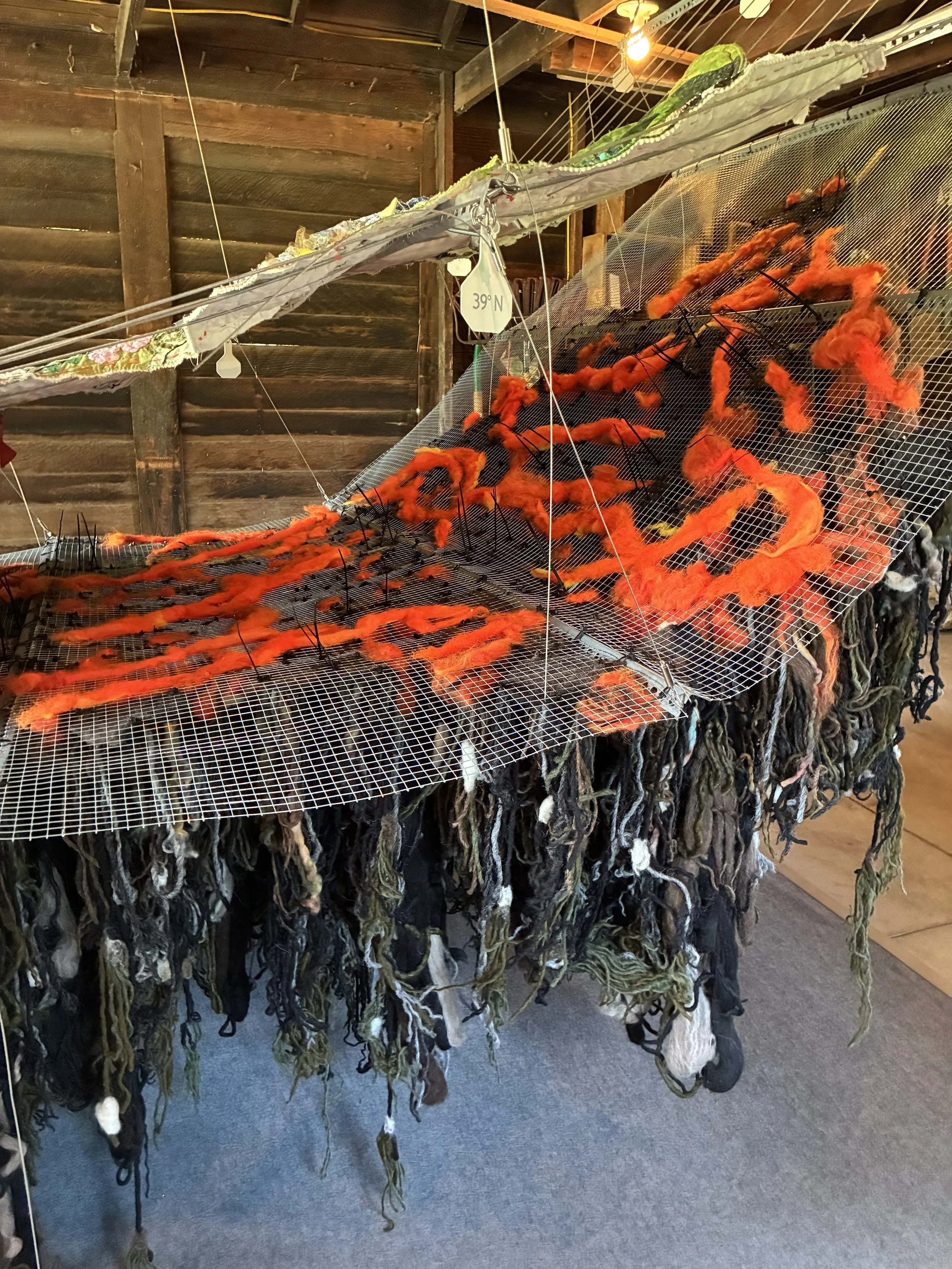
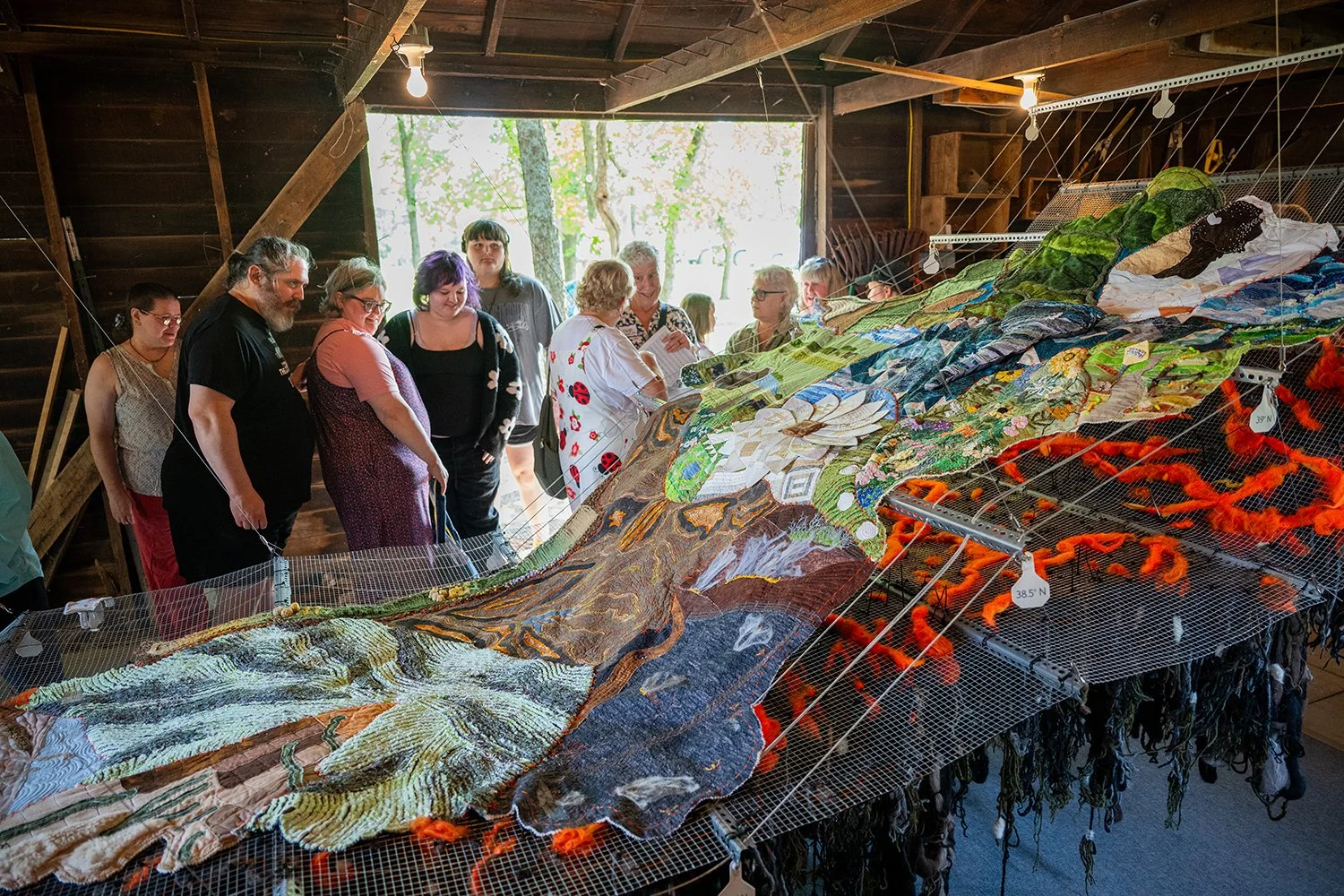
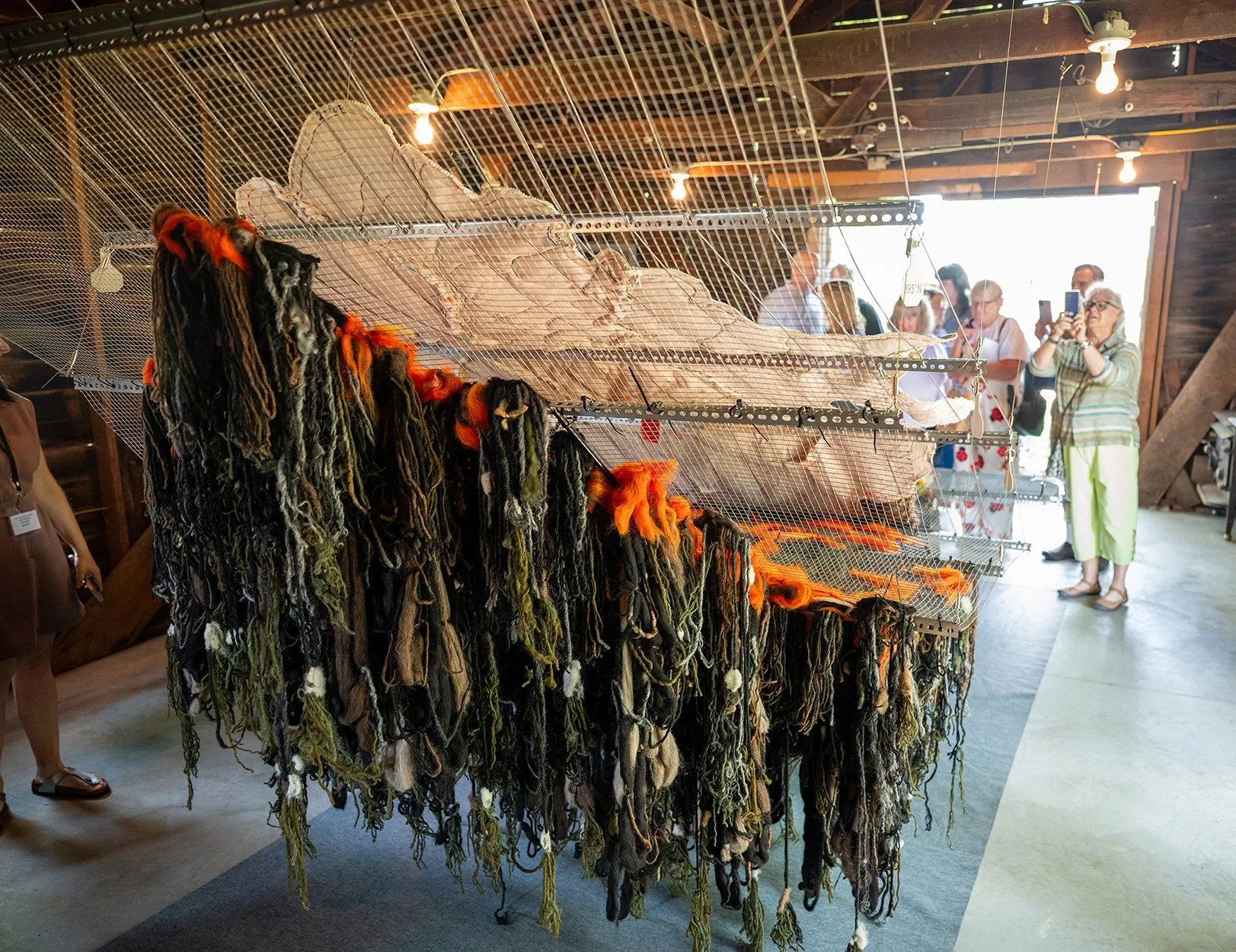
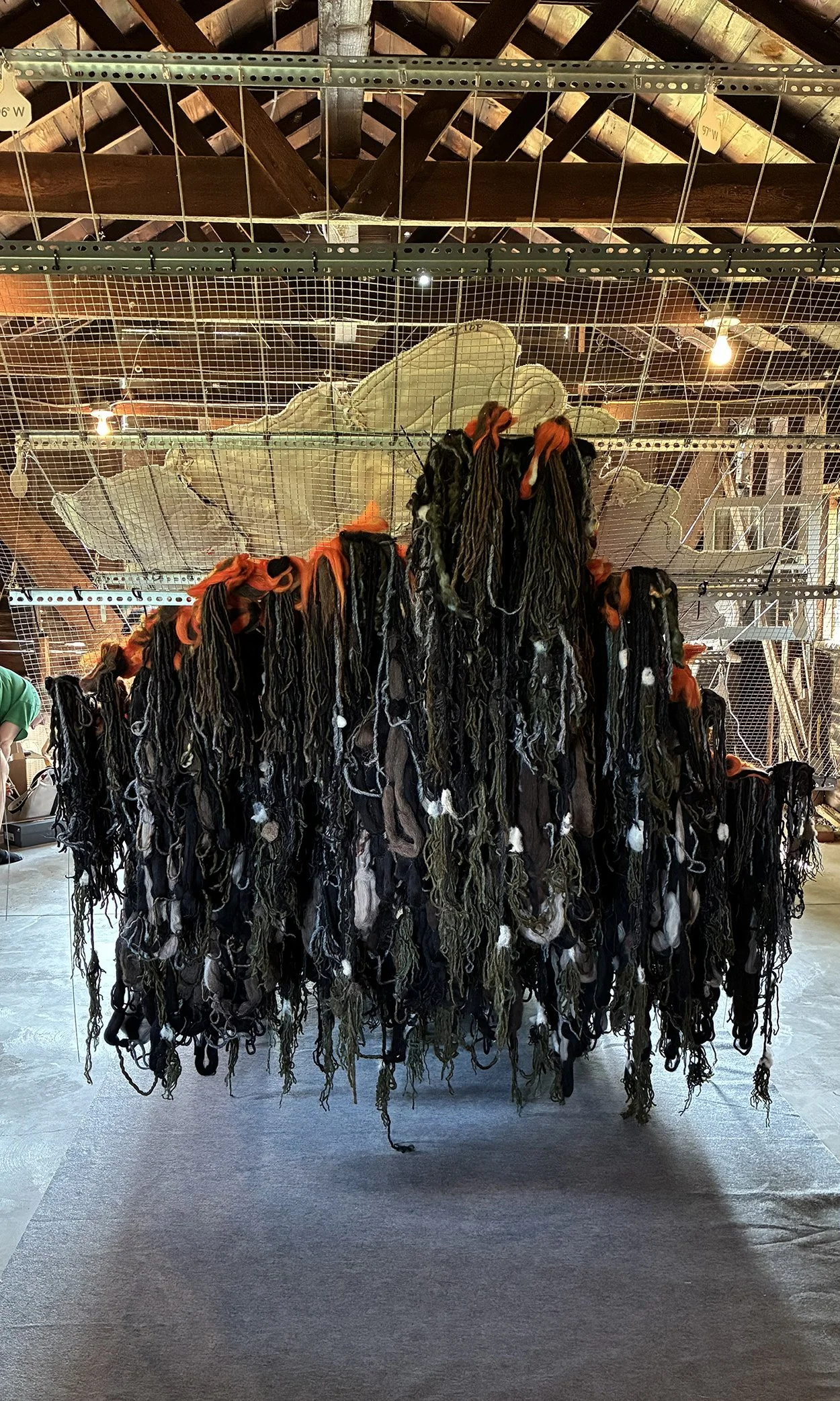
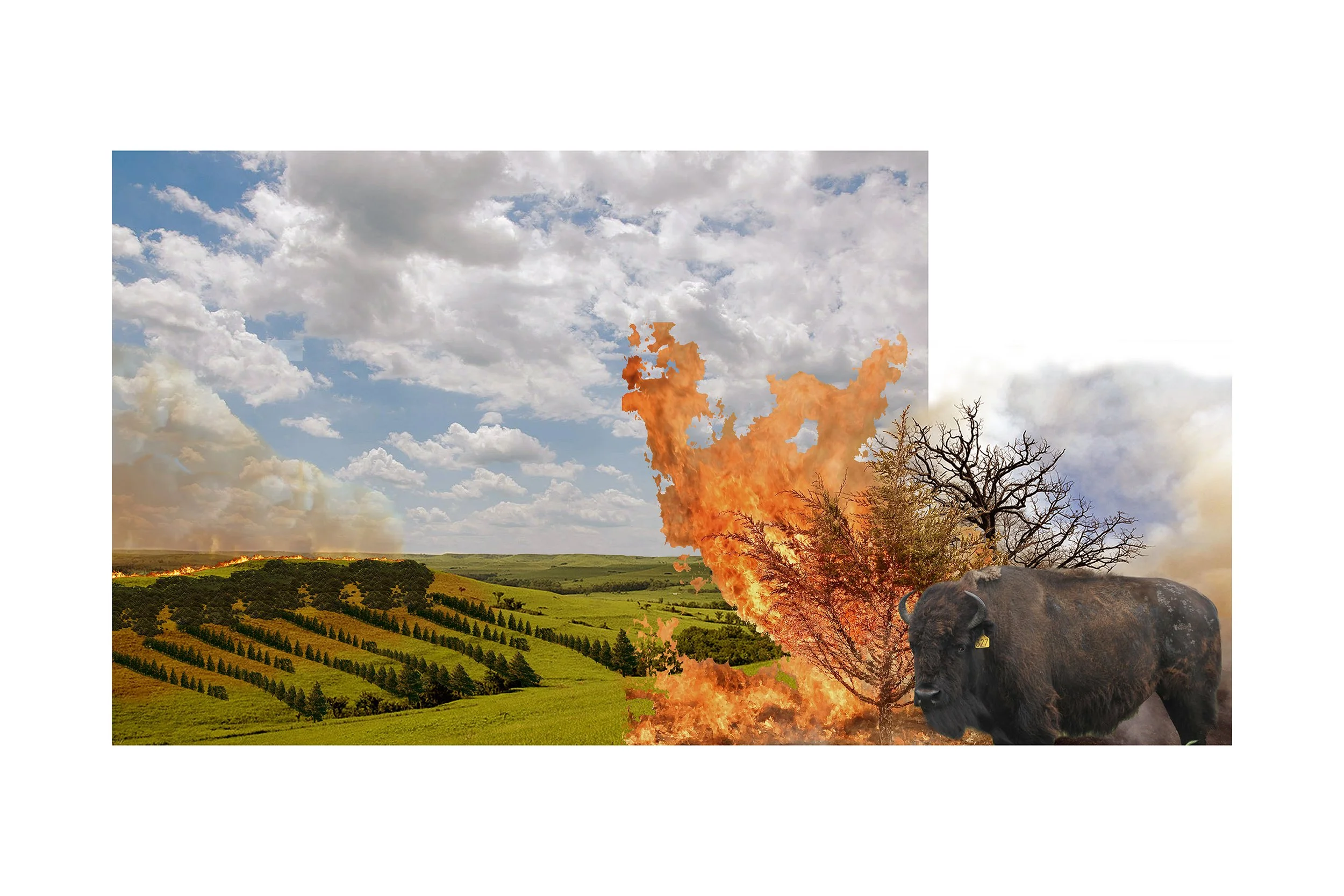
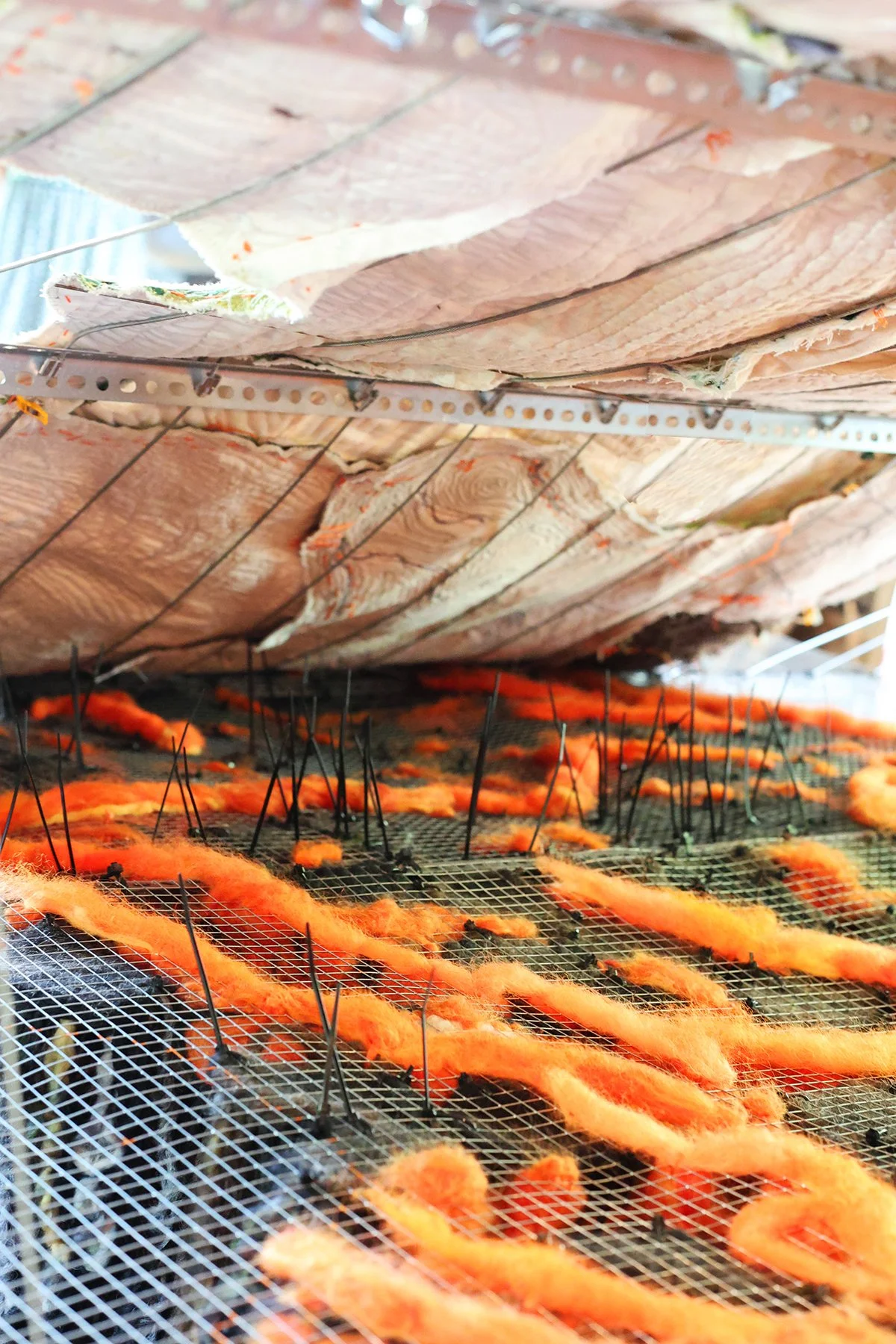
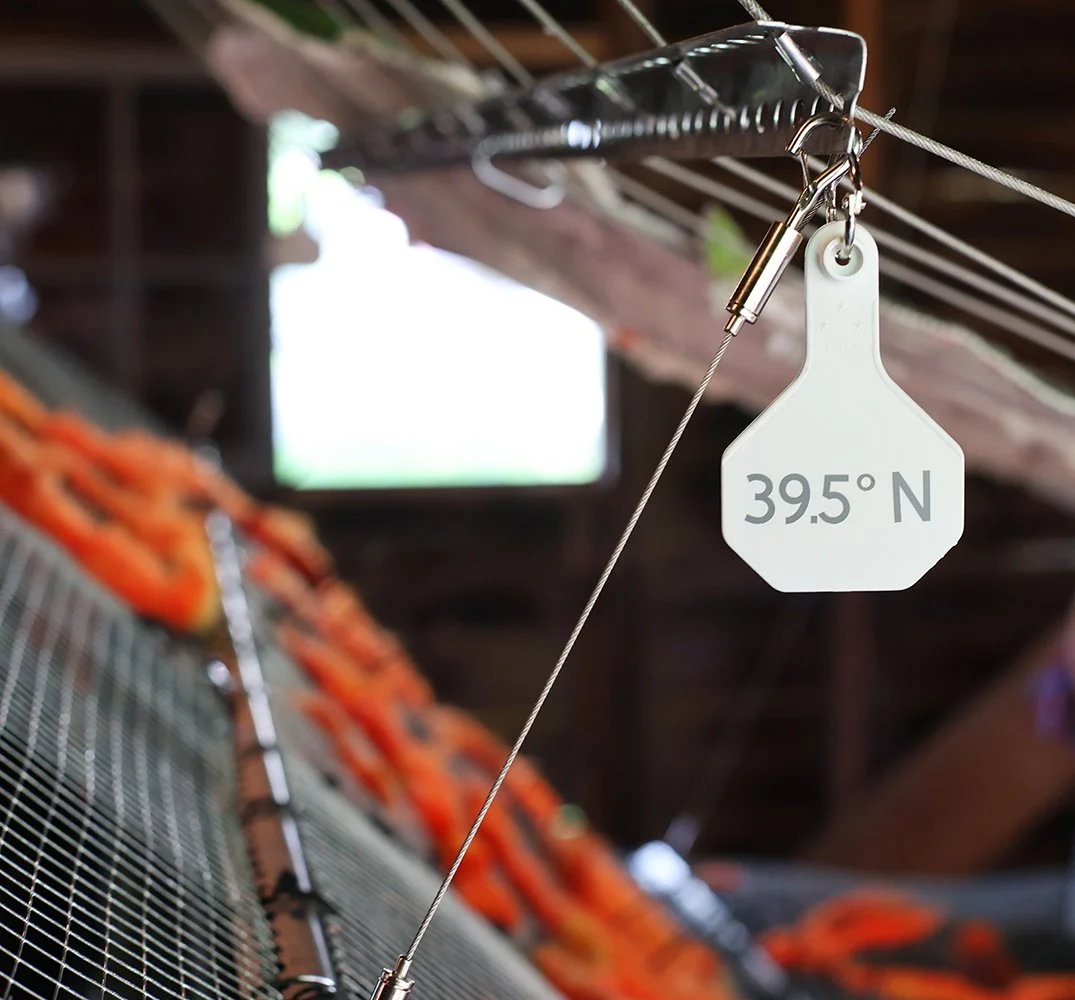
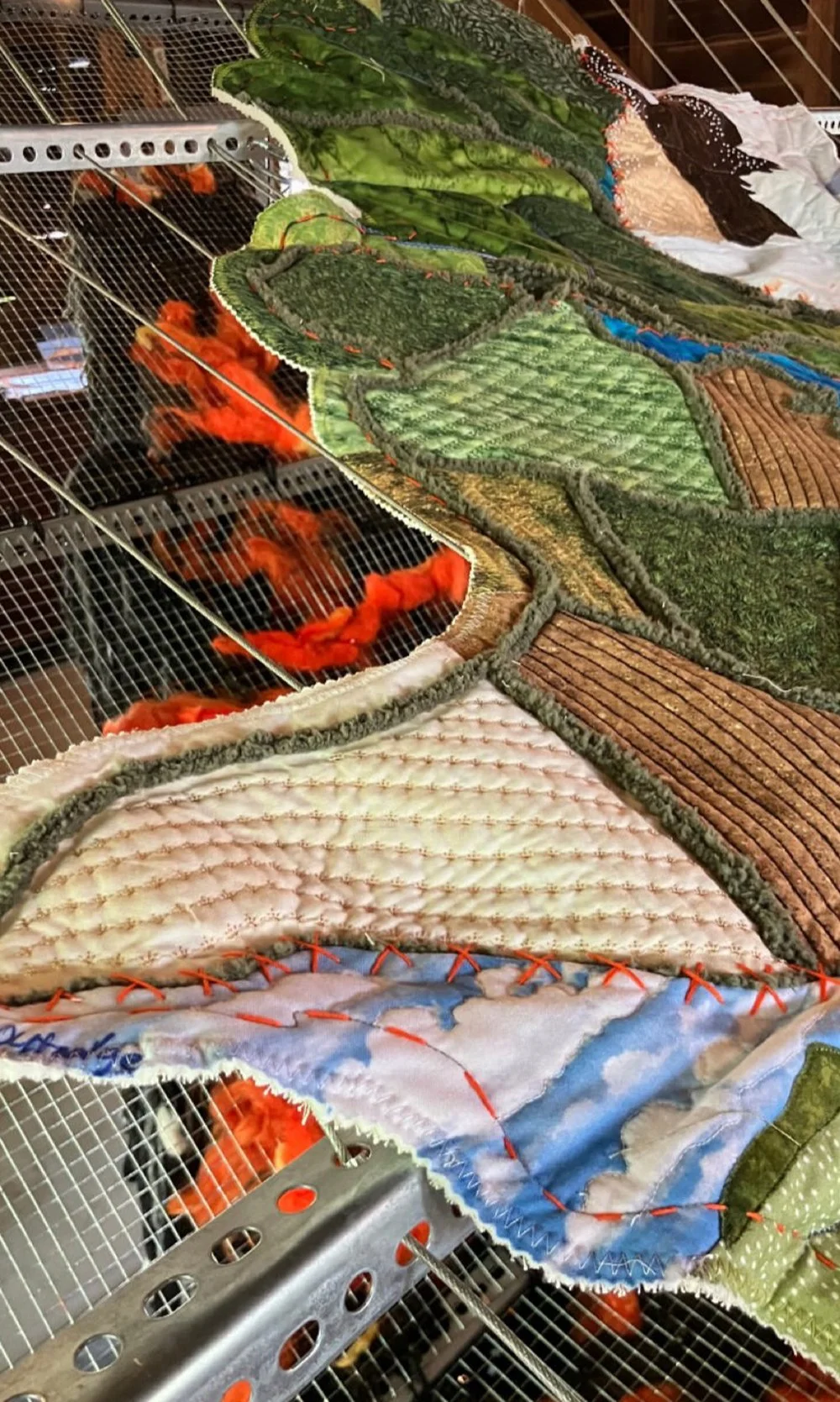
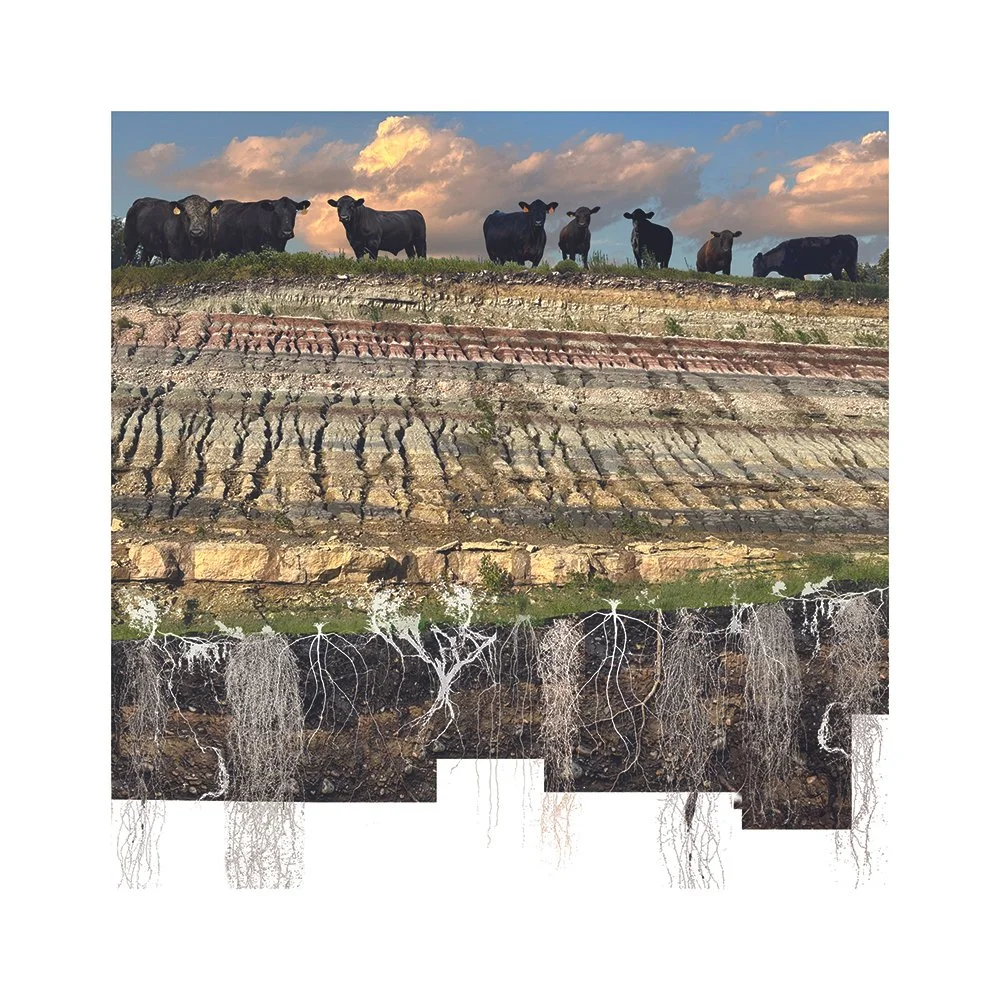
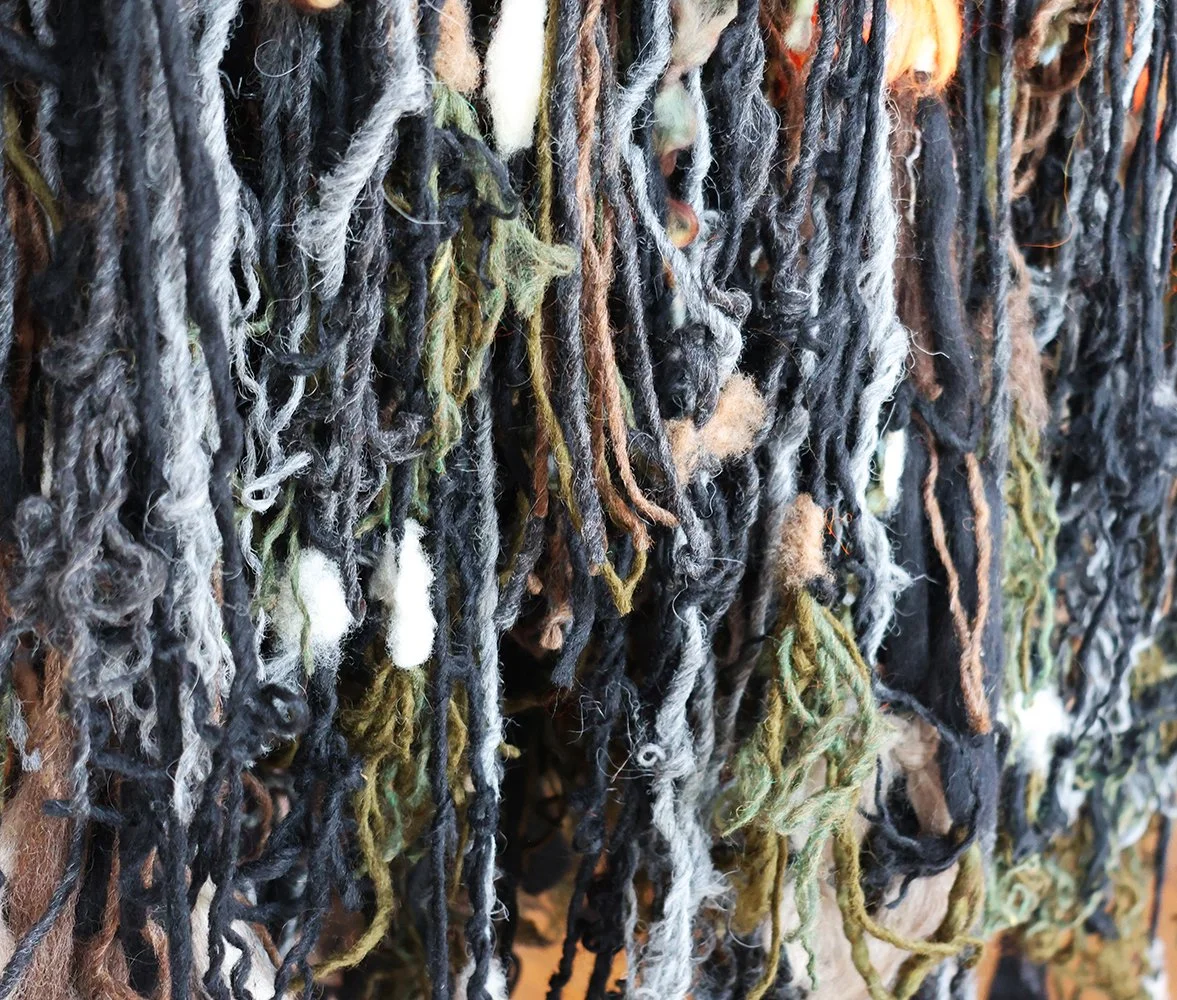
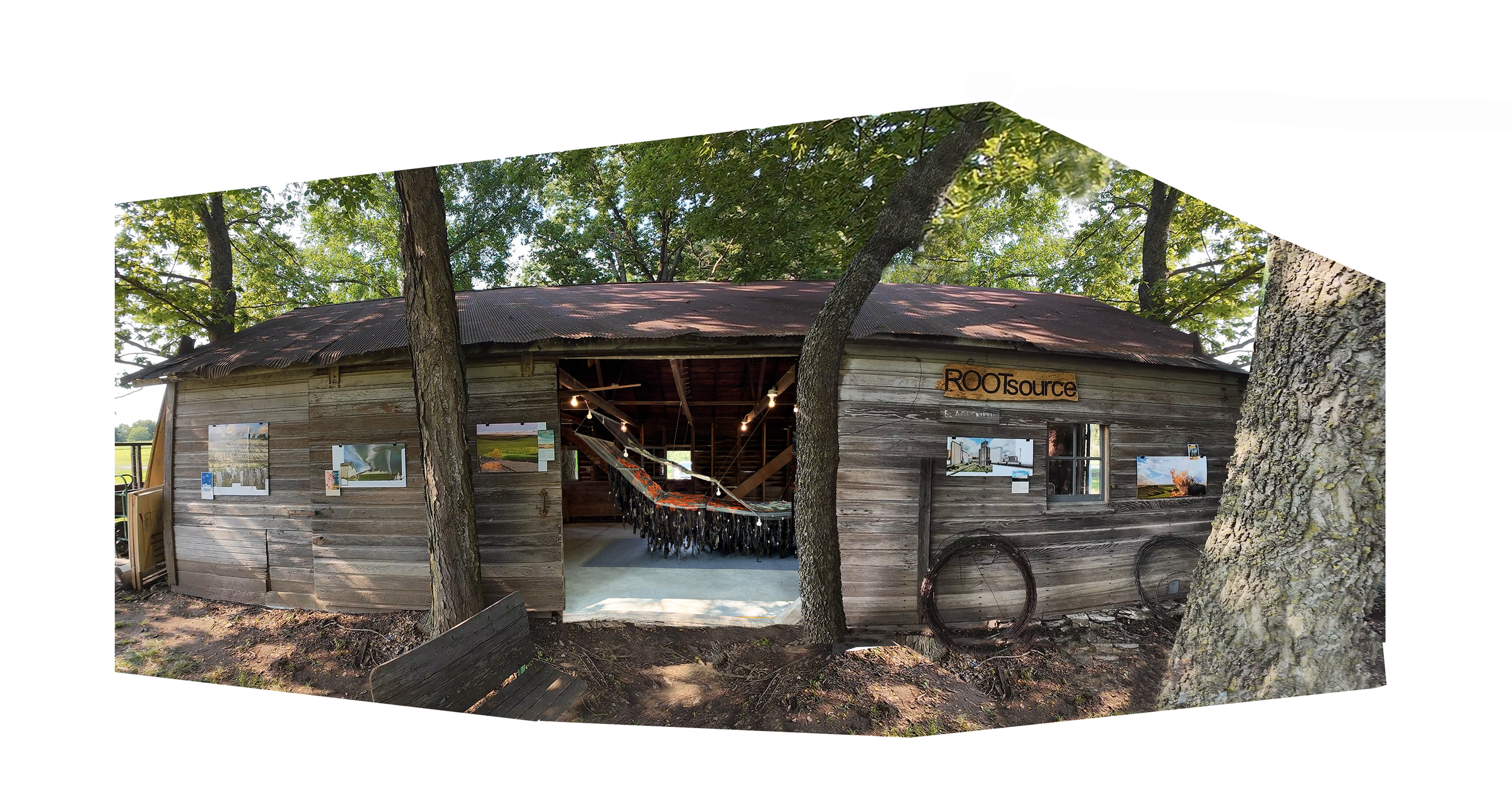
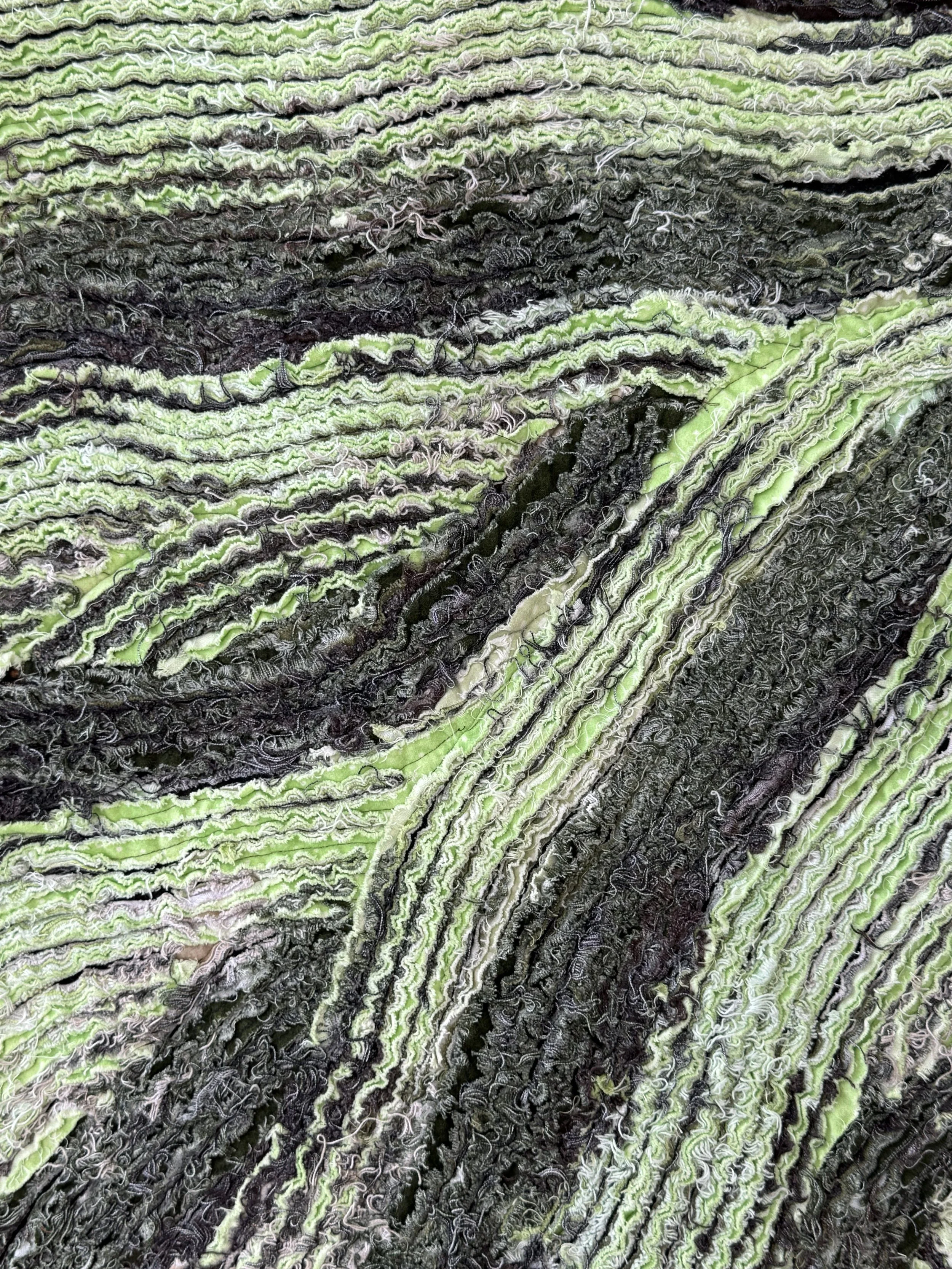
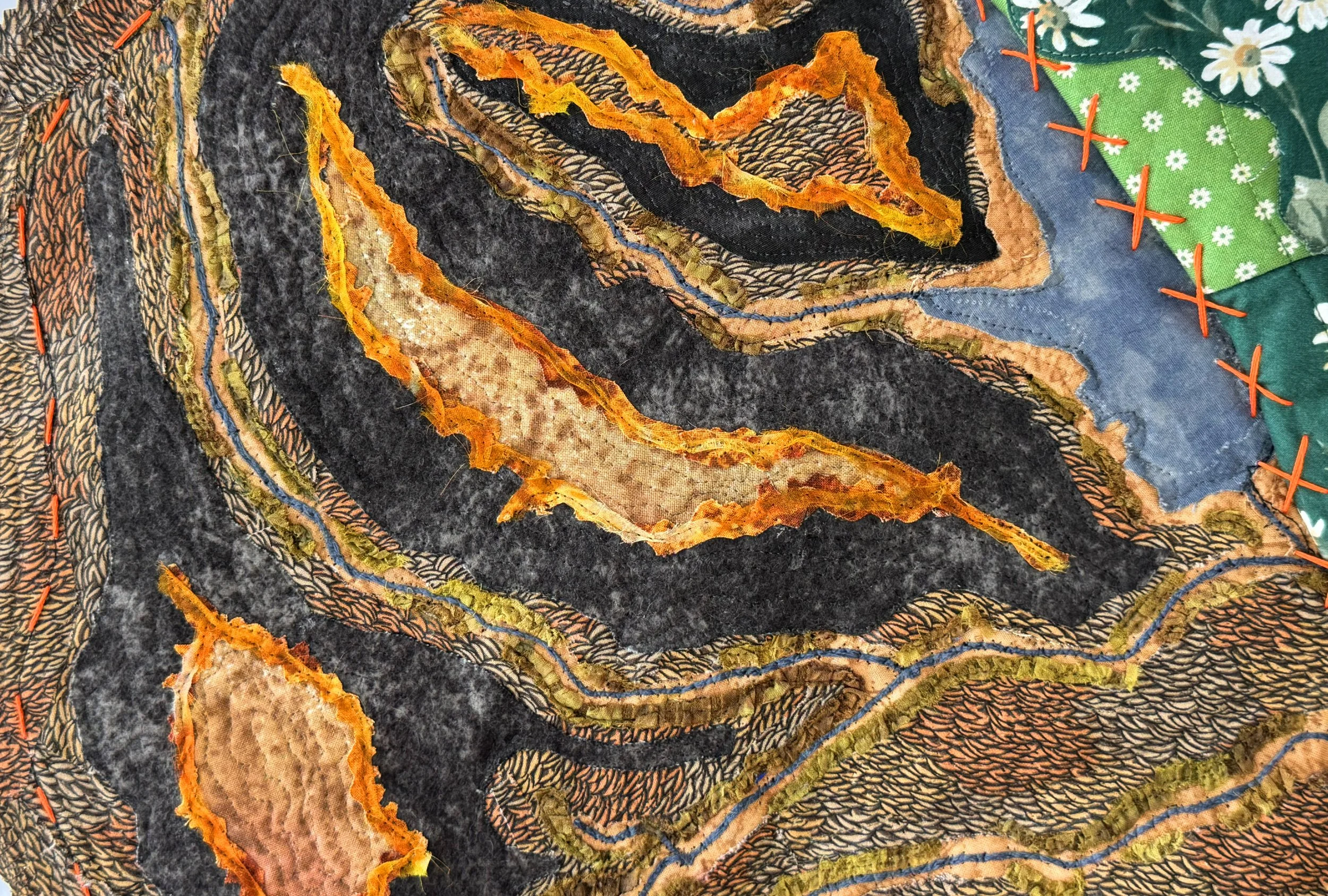
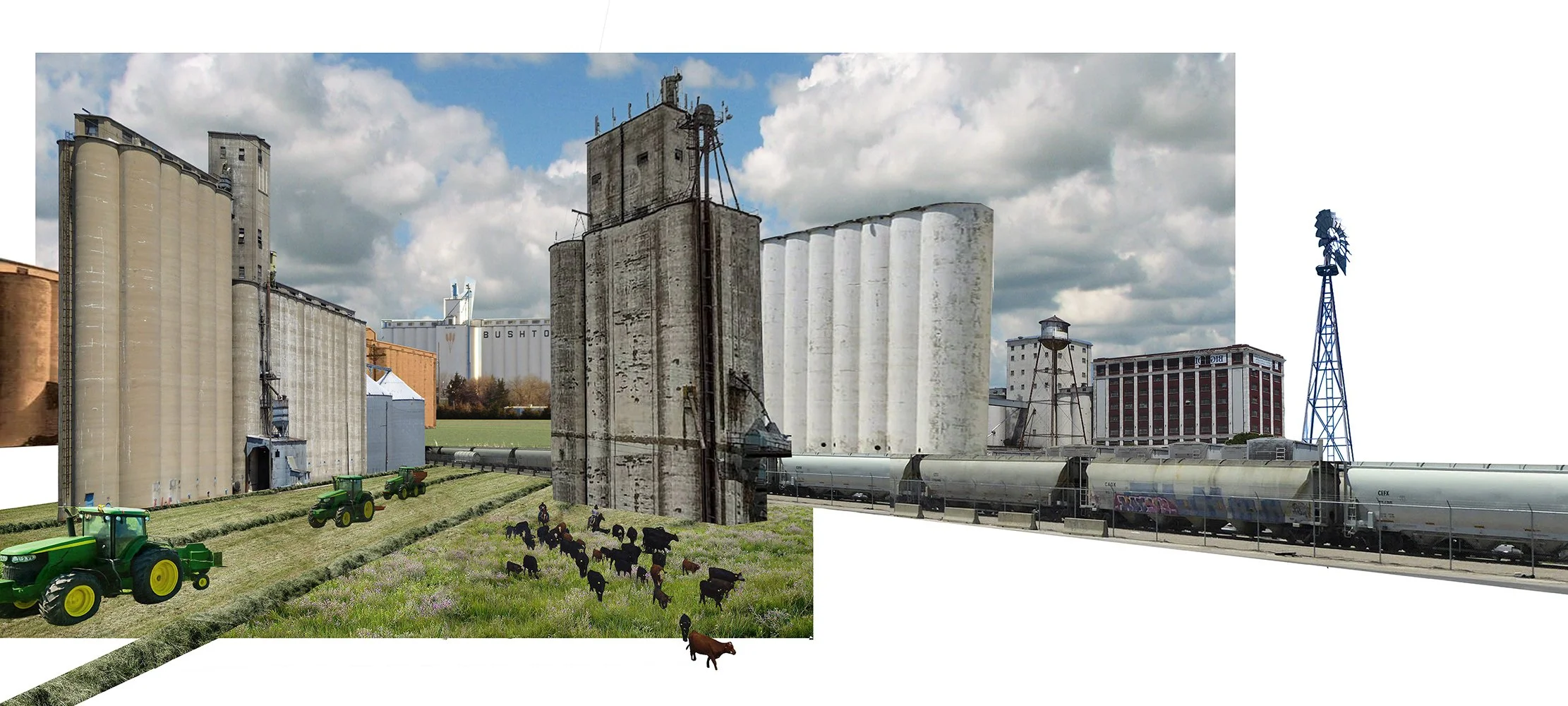
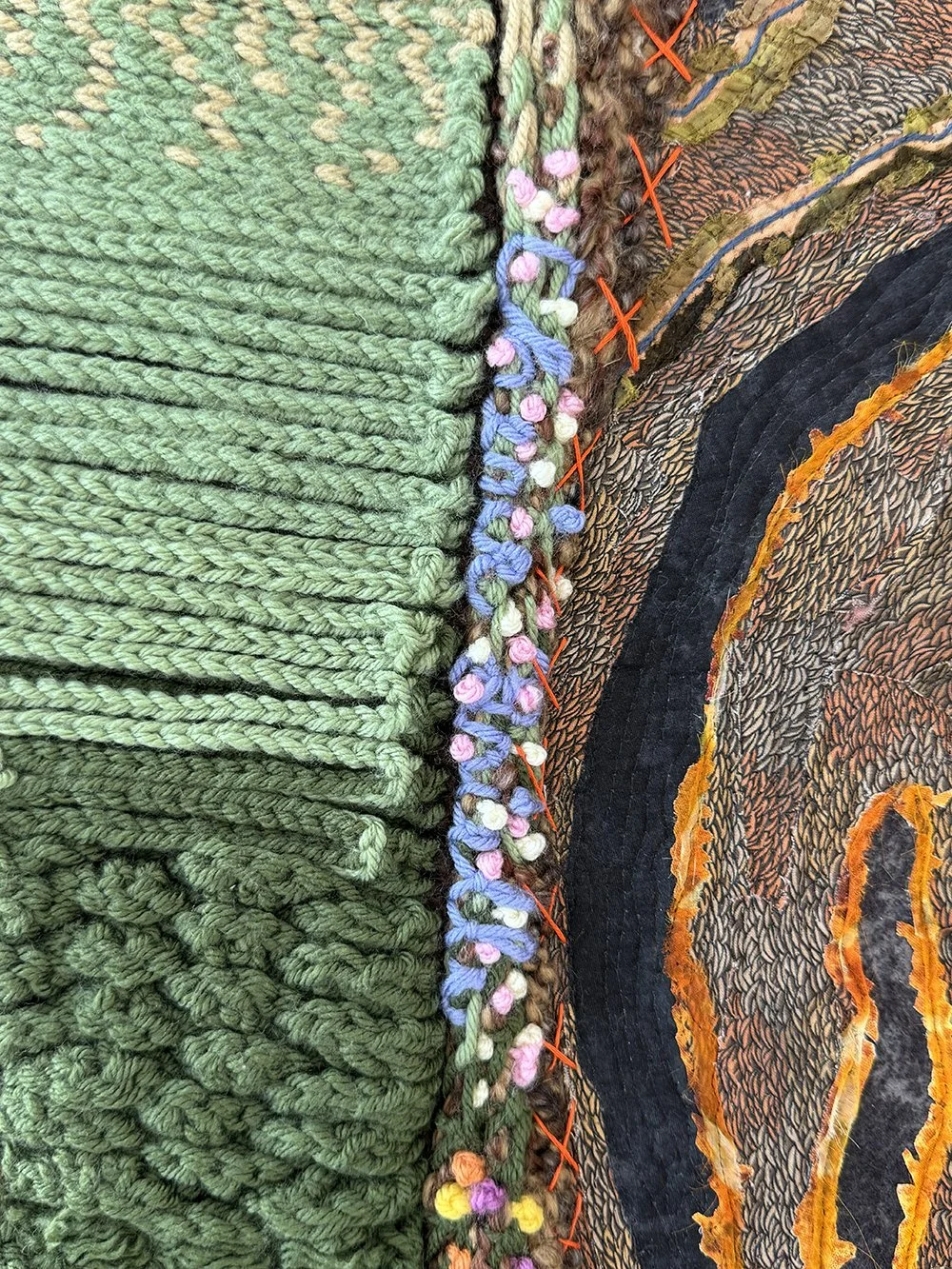
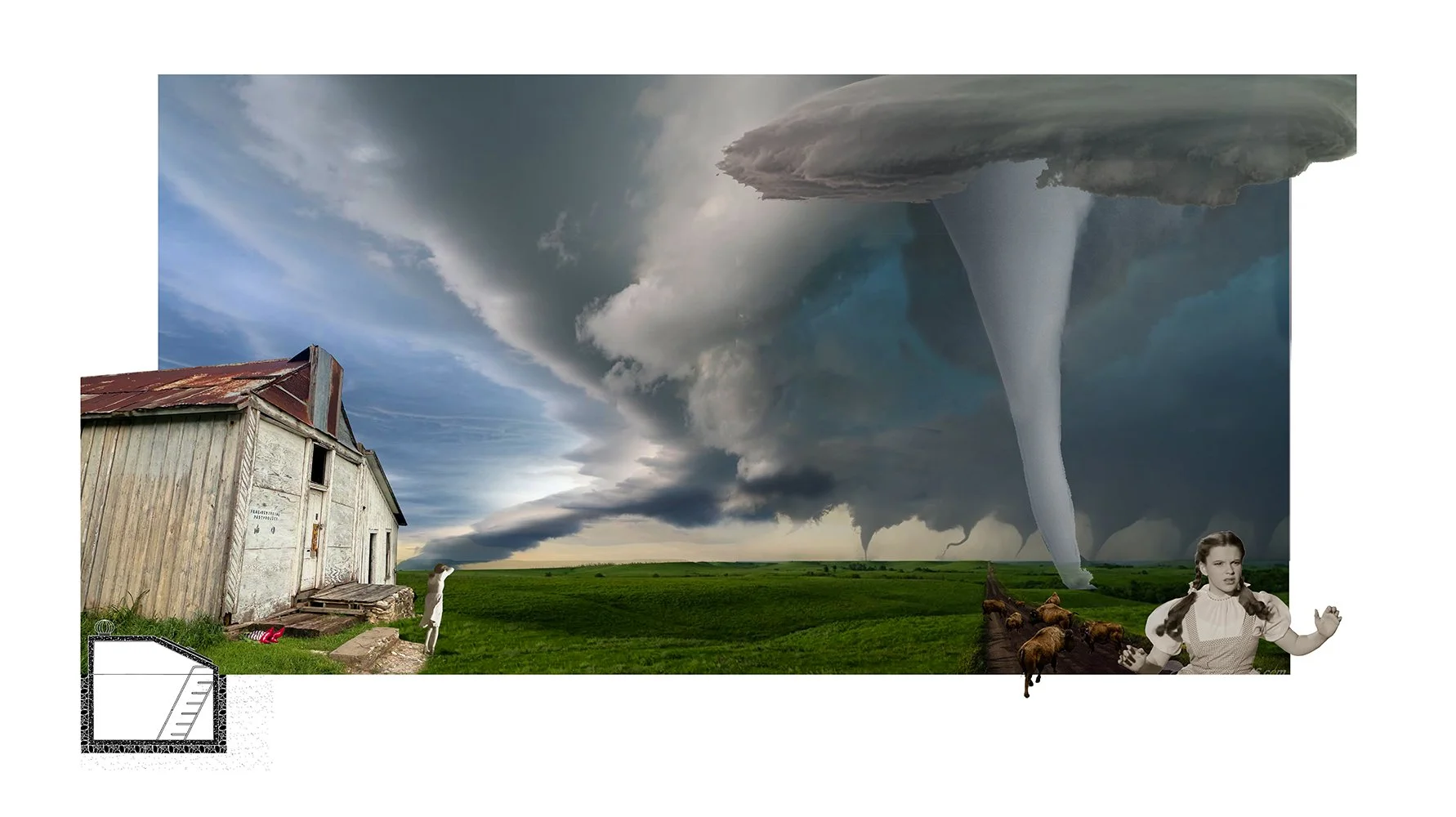
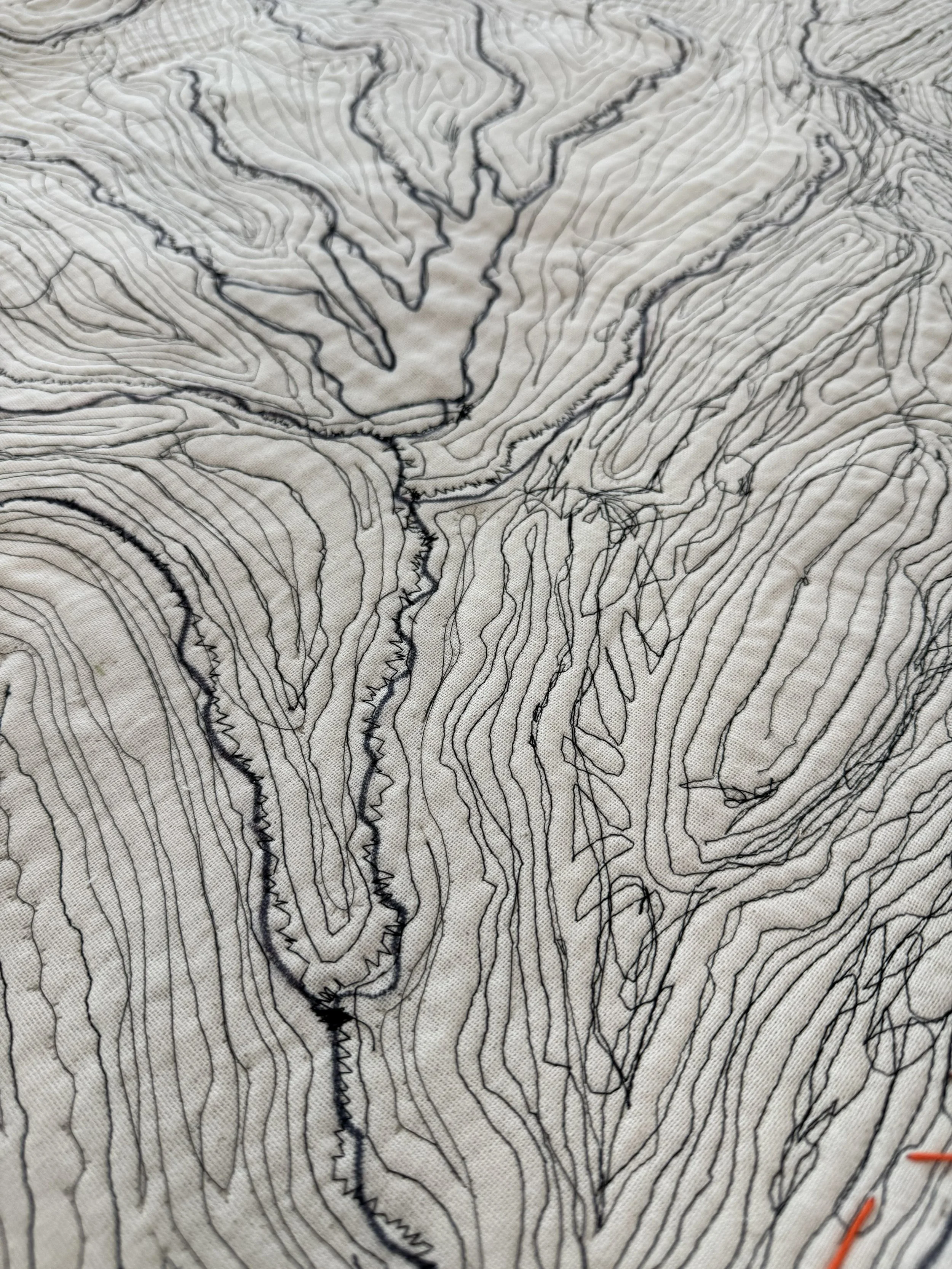
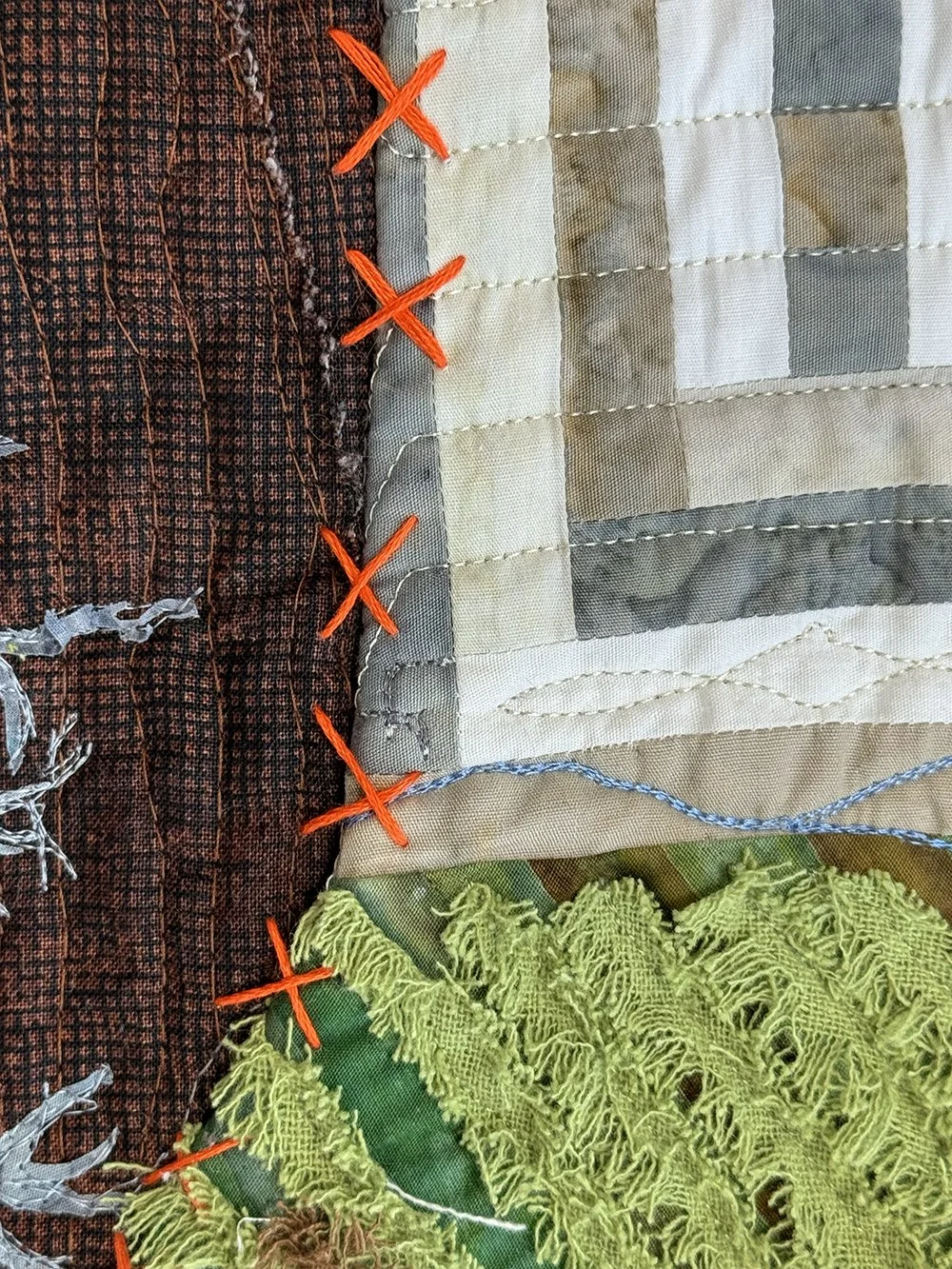
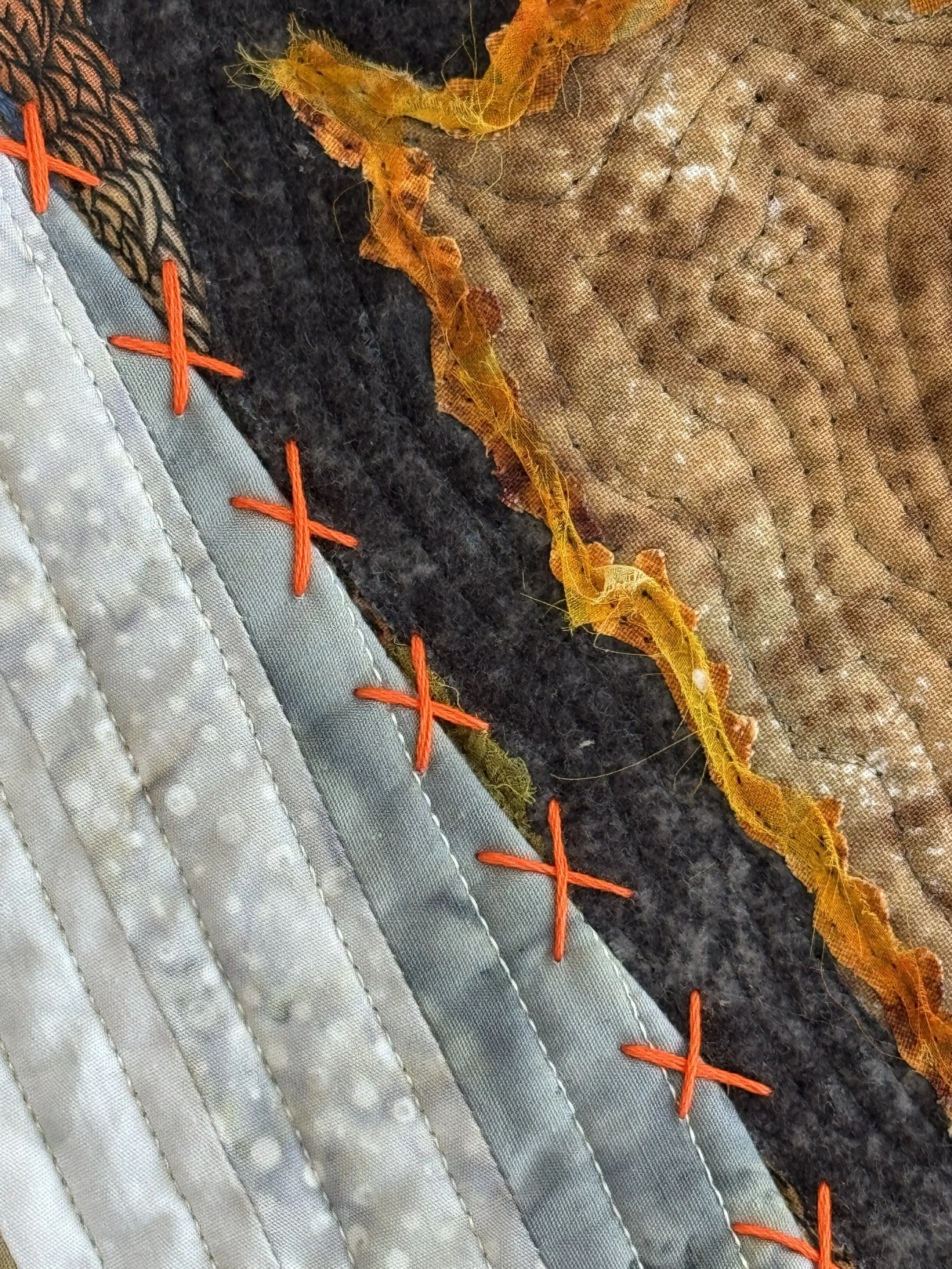
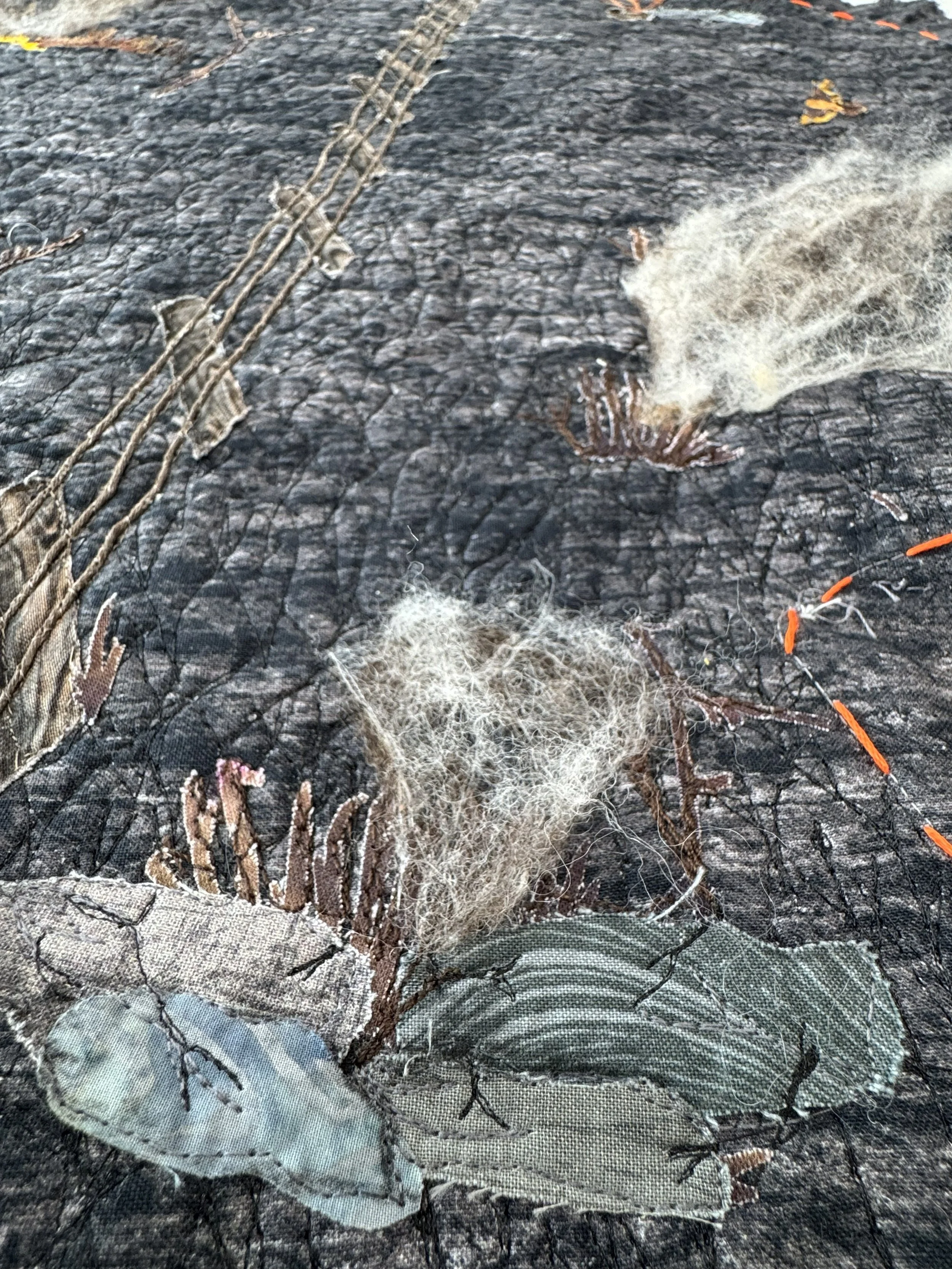
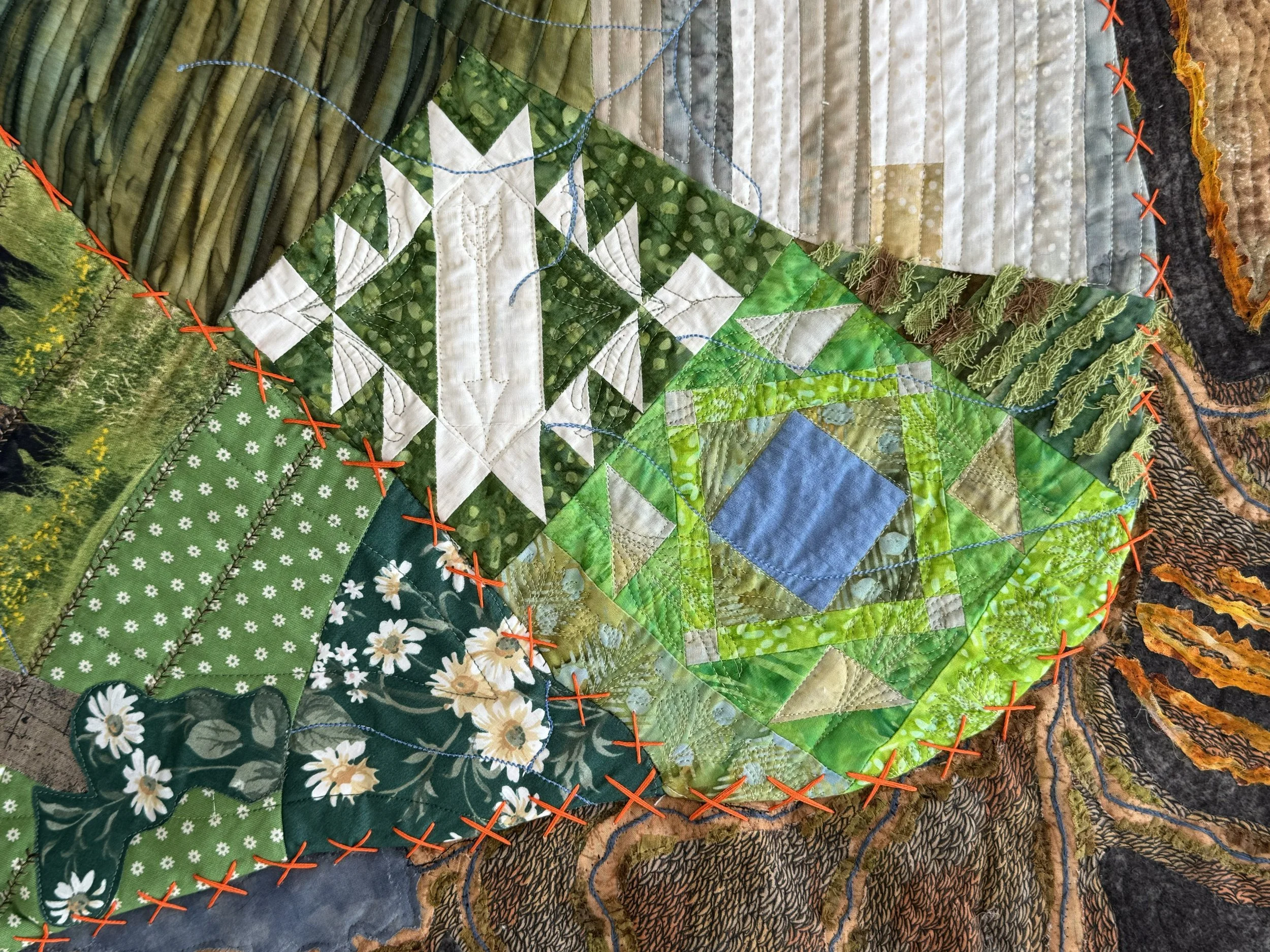
The ROOT Source explores the Flint Hills not as a singular image or object, but as a landscape understood through complementary cultural and ecological ways of seeing, interpreting, and making. A crowdsourced, exquisite corpse installation, it is composed of two co-equal works and an armature that examine the same landscape through different methodologies and materials. The upper work is a quilted map of the Flint Hills created by fourteen quilters from across Kansas and assembled through a traditional quilting bee. Suspended beneath the quilt is a second condition, an examined ecological sampling of plant species distributions and root behaviors, modeling the underground of the prairie as a physical network. Framing the ROOT Source and creating the suspension for exhibit is the armature. This metal structure maps the Public Land Survey System and is constructed from precision-engineered materials (Unistrut, cables, wire mesh, fasteners, cow ear tags, etc). These materials were selected not only for their contrary nature to the other landscapes explored above and below, but also for their deep connection to the Hill’s agrarian and ranching landscapes.
The ROOT Source explores the Flint Hills not as a singular image or object, but as a living landscape understood through intertwined cultural and ecological ways of seeing, interpreting, and making. A crowdsourced exquisite corpse installation, it comprises two coequal works and an armature that investigate the same terrain through distinct methodologies and materials. The upper work is a quilted map of the Flint Hills, created by fourteen quilters from across Kansas and assembled through a traditional quilting bee. Suspended below is a second landscape: an ecological sampling of plant species distributions and root behaviors that reveals the prairie’s underground condition as a physical network. Framing The ROOT Source and supporting its suspension is the armature. This metal structure maps the Public Land Survey System and is constructed from precision-engineered materials (Unistrut, cables, wire mesh, fasteners, cow ear tags, and more). These materials were chosen not only for their contrast with the organic systems explored above and below, but also for their deep connection to the Flint Hills’ agrarian and ranching landscape.
The ROOT Source explores the Flint Hills not as a singular image or object, but as a landscape understood through complementary cultural and ecological modes of seeing, interpreting, and making. A crowdsourced exquisite corpse installation, it comprises two coequal works and an armature that examine the same landscape through distinct methodologies and materials. The upper work is a quilted map of the Flint Hills created by fourteen quilters from across Kansas and assembled through a traditional quilting bee. Suspended beneath it is a second landscape: an ecological sampling of plant species distributions and root behaviors that models the prairie’s underground condition as a physical network. Framing The ROOT Source and supporting its suspension is the armature. This metal structure maps the Public Land Survey System and is constructed from precision-engineered materials (Unistrut, cables, wire mesh, fasteners, cow ear tags, and more). These materials were chosen not only for their contrast with the other investigations, but also for their presence within the agrarian and ranching landscapes of the Flint Hills.